Description
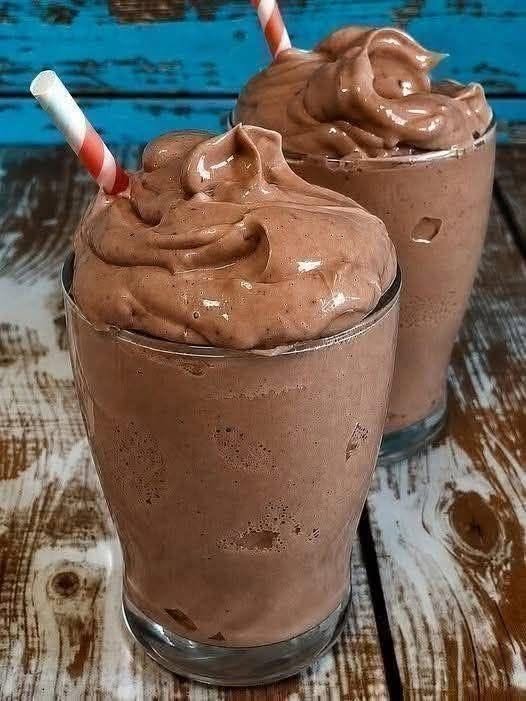
A rich, creamy, chocolate-forward ice cream made without added sugar. This frosty cream-style dessert has a smooth, velvety texture and deep cocoa flavor, making it a satisfying option when you want a decadent frozen treat while keeping the recipe low in sugar.
Recipe Notes
- Prep time: 10 minutes
- Chill time: 2–4 hours
- Freeze time: 4–6 hours
- Servings: 6
- Difficulty: Easy
- Type: No-added-sugar chocolate ice cream
Ingredients
- 2 cups heavy cream
- 1 cup unsweetened whole milk
- ½ cup unsweetened cocoa powder
- ½ cup powdered zero-sugar sweetener, such as erythritol or allulose, adjusted to taste
- 1 teaspoon pure vanilla extract
- ¼ teaspoon salt
- 2 tablespoons unsweetened cream cheese, softened — optional, for extra creaminess
- ½ teaspoon instant espresso powder — optional, enhances the chocolate flavor
- ¼ cup sugar-free chocolate chips or chopped sugar-free chocolate — optional
Instructions
- Prepare the chocolate mixture:
In a saucepan, combine the cocoa powder, zero-sugar sweetener, salt, and milk. Whisk thoroughly to remove any cocoa lumps. - Warm gently:
Heat over low to medium-low heat, stirring continuously, until the mixture is hot and smooth. Do not bring it to a boil. - Add cream:
Remove from the heat and whisk in the heavy cream, vanilla, and optional cream cheese. Continue whisking until completely smooth. - Enhance the chocolate:
If using espresso powder, stir it in now. It won’t make the ice cream taste like coffee; it simply gives the chocolate a deeper flavor. - Chill:
Transfer the mixture to a covered container and refrigerate for at least 2–4 hours, preferably until thoroughly cold. - Churn:
Pour the chilled mixture into an ice-cream maker and churn according to the manufacturer’s instructions, usually until it reaches a soft-serve consistency. - Add chocolate pieces:
During the final minute of churning, add the optional sugar-free chocolate chips. - Freeze:
Transfer to a freezer-safe container. Press parchment paper or plastic wrap directly against the surface to reduce ice crystals. Freeze for approximately 4–6 hours. - Serve:
Let the ice cream sit at room temperature for about 5–10 minutes before scooping for a smoother texture.
Tips for the Best Frosty Cream
- Use allulose if possible: It generally produces a softer frozen texture than erythritol, which can sometimes become icy or slightly gritty.
- Don’t overheat the milk: Gentle heating is enough to dissolve the cocoa and sweetener.
- Chill completely before churning: A very cold base produces creamier ice cream.
- For extra chocolate flavor: Add espresso powder and a small amount of melted unsweetened chocolate.
- For softer scoops: Allulose or a blend of allulose and erythritol can work better than erythritol alone.
- Avoid too much sweetener: Different zero-sugar sweeteners have different sweetness levels, so taste the chilled mixture before churning.
- For a lighter version: Replace some heavy cream with additional unsweetened milk, although the finished ice cream will be less creamy.
Nutritional Information
Approximate per serving, assuming 6 servings and erythritol-based sweetener; actual values vary by brands and optional ingredients.
| Nutrient | Approximate amount |
|---|---|
| Calories | 300 kcal |
| Protein | 4 g |
| Total fat | 29 g |
| Saturated fat | 18 g |
| Carbohydrates | 10 g |
| Fiber | 3 g |
| Total sugars | 3 g |
| Added sugar | 0 g |
| Net carbs* | ~7 g |
*Net-carb calculations vary depending on the sweetener and how your nutrition tracker counts sugar alcohols.
Potential Benefits
- No added sugar: Useful for people looking to reduce added sugar in desserts.
- Cocoa provides antioxidants: Unsweetened cocoa contains naturally occurring polyphenols.
- Satisfying fat content: The cream provides a rich texture and can make a small serving feel indulgent.
- Customizable sweetness: You can adjust the zero-sugar sweetener to your preferred taste.
- Homemade ingredients: You control the ingredients and can avoid unnecessary additives found in some commercial frozen desserts.
Important: “Zero sugar” here means no added sugar in the recipe, not necessarily zero naturally occurring sugar. Milk and cream contain small amounts of naturally occurring lactose.
Recipe Q&A
Q: Is this ice cream really sugar-free?
A: The recipe contains no added table sugar. However, dairy ingredients naturally contain small amounts of lactose. Check the nutrition labels of your specific ingredients if you need a medically strict sugar-free recipe.
Q: Can I make it without an ice-cream machine?
A: Yes. Pour the chilled mixture into a shallow freezer-safe container and freeze. Stir or whisk vigorously every 30–45 minutes for the first 2–3 hours to help break up ice crystals, then allow it to freeze completely.
Q: Why did my ice cream become hard?
A: Sugar normally helps keep ice cream soft. Sugar-free versions can therefore freeze harder. Using allulose, adding sufficient fat, and allowing the ice cream to sit for 5–10 minutes before scooping can help.
Q: Can I use stevia?
A: Yes, but stevia is much sweeter than sugar and doesn’t provide the bulk or texture that sugar provides. A granular or powdered blend designed for frozen desserts usually gives better results.
Q: Can I make it dairy-free?
A: Yes. Use full-fat canned coconut milk or a suitable dairy-free cream alternative in place of the dairy ingredients. The flavor and nutritional values will change.
Q: How long does homemade ice cream last?
A: For the best texture and flavor, enjoy it within about 1–2 weeks when kept tightly covered in a freezer.
Q: Can I add nuts or toppings?
A: Absolutely. Chopped almonds, walnuts, peanuts, unsweetened coconut, cacao nibs, or sugar-free chocolate pieces all work well.
Q: What makes it “frosty cream”?
A: The combination of a cold, creamy chocolate base and a high-fat dairy component gives it a thick, smooth, frosty texture similar to a rich chocolate frozen dessert.