Eel Sauce Panda Express
Eel Sauce at Panda Express: Taste, Ingredients & How to Make It at Home
Many people search for eel sauce Panda Express after tasting a rich, glossy sauce on Asian-style dishes and wondering if Panda Express uses it—or something similar. Eel sauce is popular for its sweet, savory depth and is often associated with Japanese and Chinese-American flavors. This guide explains what eel sauce is in the Panda Express context, how it tastes, what it’s made from, how it’s used, and how you can make a simple version at home.
👉 View Complete: Panda Express Menu
What Is Eel Sauce at Panda Express?
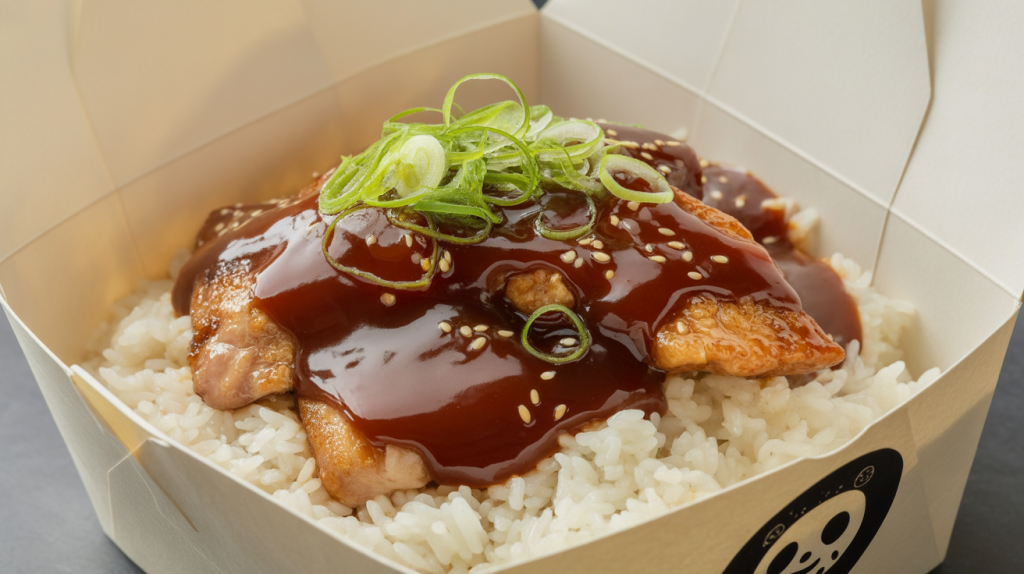
Eel sauce at Panda Express isn’t a standard, always-listed menu sauce like orange or teriyaki. Instead, the term is commonly used by customers to describe a sweet soy-based glaze with a dark color and thick texture that resembles traditional eel sauce.
In general, eel sauce refers to a reduction of soy sauce and sugar, sometimes called unagi sauce. At Panda Express, similar flavors may appear in limited items or specialty glazes rather than as a labeled sauce on the menu.
Taste Profile: What Does Eel Sauce Taste Like?
Eel sauce is known for its bold but balanced flavor.
What you’ll notice most:
- Sweetness upfront
- Deep savory, soy-based saltiness
- A rich, slightly sticky texture
- No heat or spice
The sweetness is more caramel-like than fruity, which sets eel sauce apart from orange or sweet-and-sour sauces. It’s designed to enhance proteins and starches, not overpower them.
Eel Sauce Ingredients (Typical)
While Panda Express does not publish an official eel sauce formula, the flavor profile points to a very short ingredient list.
Common eel sauce ingredients include:
- Soy sauce
- Sugar or brown sugar
- Mirin or rice wine (sometimes replaced with sugar + water)
- Water
Some versions may include cornstarch for thickness, but traditional eel sauce relies on reduction rather than starch.
Is Panda Express Eel Sauce Gluten-Free?
Short answer: No, it is not guaranteed to be gluten-free.
Here’s why:
- Soy sauce typically contains wheat
- Panda Express kitchens handle many gluten-containing items
- Cross-contamination is possible
If you have celiac disease or strict gluten sensitivity, it’s best to avoid eel-style sauces unless the restaurant confirms a gluten-free alternative.
This is not medical advice. Always check with the restaurant for current allergen details.
How Panda Express Uses Eel-Style Sauce
When eel-style flavors appear at Panda Express, they are usually used as a finishing glaze rather than a cooking sauce.
Typical uses include:
- Drizzled over grilled or roasted proteins
- Light coating on chicken or specialty entrées
- Added after cooking to preserve sweetness
Because the sauce is rich, it’s applied sparingly. A small amount delivers a lot of flavor.

Copycat Eel Sauce Recipe (Panda Express–Style)
Course: Menu Prices1 tablespoon (≈15 ml)
servings5
minutes10
minutes45
kcalIf you want to recreate the flavor at home, this simple copycat recipe delivers a very similar taste and texture.
Ingredients
½ cup soy sauce
½ cup sugar (white or brown)
½ cup water
Step-by-Step
- Combine soy sauce, sugar, and water in a small saucepan
- Bring to a gentle simmer over medium heat
- Reduce heat and cook 10–15 minutes, stirring occasionally
- Sauce will thicken slightly as it reduces
- Remove from heat and let cool before using
Note
- As it cools, the sauce becomes glossy and slightly sticky—just like classic eel sauce.
Best Dishes to Use Eel Sauce With
Eel sauce pairs best with simple foods that let its sweetness shine.
Great pairings include:
- Grilled or roasted chicken
- Steamed rice or fried rice
- Noodles or lo mein-style dishes
- Stir-fried vegetables
Use it as a drizzle, not a pour. A tablespoon or two is usually enough.
Storage and Shelf Life
Proper storage keeps homemade eel sauce fresh and safe.
Storage tips:
- Store in an airtight container
- Refrigerate after cooling
- Keeps well for up to 2 weeks
If the sauce develops an off smell or mold, discard it immediately.
Frequently Asked Questions (FAQs)
It’s not a regular, labeled menu sauce. Eel-style flavors may appear in limited or specialty items.
Sweet, savory, and soy-forward with a thick, glossy texture and no spiciness.
No. Eel sauce is thicker and sweeter, while teriyaki is lighter and more savory.
Yes. A simple reduction of soy sauce, sugar, and water creates a very close copy.
Conclusion
Eel sauce Panda Express–style refers to a sweet, soy-based glaze that adds depth and richness to Asian-inspired dishes. While it’s not a permanent menu item at Panda Express, the flavor profile is familiar and easy to recreate at home. Used sparingly, eel sauce works beautifully with chicken, rice, and noodles, making it a versatile addition to any kitchen that enjoys bold, savory-sweet flavors.