Description:
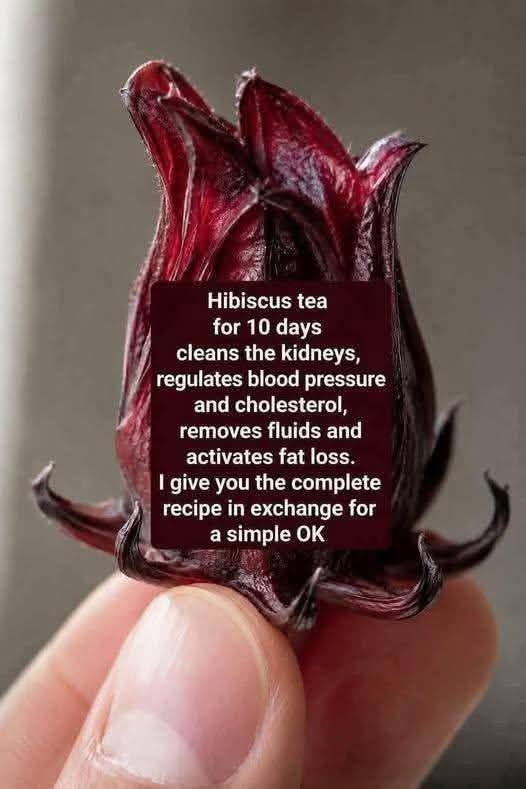
Hibiscus tea is a refreshing, naturally caffeine-free herbal tea made by steeping dried hibiscus flowers in hot water. It has a vibrant ruby-red color and a pleasantly tart, cranberry-like flavor. It can be enjoyed hot or chilled over ice, with lemon, mint, honey, or a little sugar.
Ingredients
- 2 tablespoons dried hibiscus flowers
- 4 cups water
- 1–2 tablespoons honey or sugar, optional
- 1 tablespoon fresh lemon juice, optional
- Fresh mint leaves, optional
- Ice cubes, if serving cold
Instructions
- Bring 4 cups of water to a boil.
- Remove the water from the heat and add the dried hibiscus flowers.
- Cover and steep for 5–10 minutes, depending on how strong you like the tea.
- Strain the tea into a heatproof jug or cups.
- Add honey or sugar while the tea is warm, if desired.
- Add lemon juice for extra brightness.
- Serve hot, or cool and pour over ice for iced hibiscus tea.
- Garnish with fresh mint or a lemon slice if desired.
Servings
4 cups
Preparation Time
- Prep: 2 minutes
- Steeping: 5–10 minutes
- Total: about 10–15 minutes
Nutritional Information
Approximate per serving, without added sweetener:
- Calories: 2–5 kcal
- Carbohydrates: 0–1 g
- Protein: 0 g
- Fat: 0 g
- Fiber: 0 g
- Sugar: 0 g
- Caffeine: 0 mg
Adding honey or sugar will increase the calories and sugar content.
Benefits
Hibiscus tea can be a flavorful way to increase fluid intake and provides plant compounds with antioxidant activity. Research has also found that hibiscus preparations may help modestly lower blood pressure in some adults, although tea should not be considered a replacement for prescribed treatment.
Recipe Notes
- Stronger tea: Use more hibiscus or steep for up to 10 minutes.
- Milder tea: Use 1 tablespoon hibiscus per 4 cups of water.
- Sweetness: Hibiscus is naturally tart, so honey works particularly well.
- Iced version: Prepare the tea slightly stronger, then pour over plenty of ice.
- Flavor variations: Try ginger, cinnamon, orange peel, mint, or a squeeze of lime.
- Avoid boiling the hibiscus flowers for a long time, as prolonged boiling can produce an excessively sharp flavor.
Tips
1. Use quality dried flowers: Look for dried hibiscus/sorrel flowers intended for culinary use.
2. Don’t over-sweeten: Start with a small amount of honey and adjust to taste.
3. Make it ahead: Refrigerate prepared tea and enjoy it chilled.
4. Add citrus: Lemon or lime balances the natural tartness beautifully.
5. Serve cold: Hibiscus tea makes an excellent caffeine-free summer drink.
Q&A
Q: Does hibiscus tea contain caffeine?
A: No. Pure hibiscus tea is naturally caffeine-free.
Q: Can I drink hibiscus tea every day?
A: Many people can enjoy it regularly, but moderation is sensible. If you take medication—particularly medication for blood pressure—or have a medical condition, check with a healthcare professional before making it a daily habit.
Q: What does hibiscus tea taste like?
A: It has a tart, fruity flavor often compared with cranberry.
Q: Can I drink hibiscus tea cold?
A: Yes. It is excellent over ice and can be flavored with lemon, lime, mint, or fruit.
Q: Can I make hibiscus tea without sugar?
A: Absolutely. It is naturally tart but refreshing without any sweetener.
Q: Is hibiscus tea good for blood pressure?
A: Studies suggest hibiscus may modestly reduce blood pressure in some people. However, it should not replace prescribed blood-pressure medication or medical advice.
Q: How long does homemade hibiscus tea last?
A: Keep it refrigerated in a covered container and ideally consume it within 2–3 days for best quality.