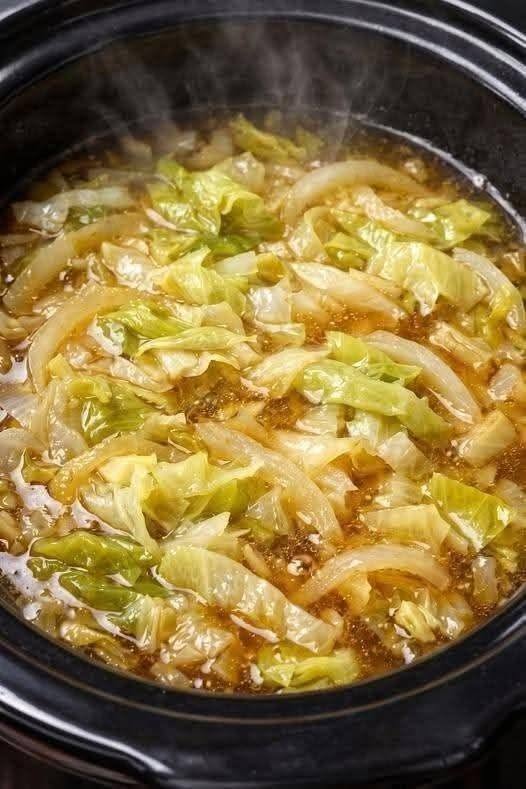
Chinese Cabbage & Onion Soup
Description
Chinese Cabbage & Onion Soup is a light, comforting vegetable soup made with tender Chinese cabbage (napa cabbage), sweet onion, garlic, ginger, and a simple savory broth. It is quick to prepare, naturally low in calories, and makes a soothing starter or light meal.
Servings
4 servings
Preparation & Cooking Time
- Prep: 10 minutes
- Cook: 25 minutes
- Total: 35 minutes
Ingredients
- 1 medium Chinese/Napa cabbage, about 500–600 g, chopped
- 1 large onion, thinly sliced
- 3 cloves garlic, minced
- 1 tablespoon fresh ginger, grated or finely minced
- 1 tablespoon vegetable or olive oil
- 5 cups (1.2 L) vegetable or chicken broth
- 1 tablespoon soy sauce
- 1 teaspoon sesame oil
- ½ teaspoon black pepper
- ¼ teaspoon white pepper, optional
- ½ teaspoon salt, or to taste
- 2 green onions, sliced
- 1 teaspoon toasted sesame seeds, optional
- 1 teaspoon rice vinegar, optional
Instructions
- Prepare the vegetables: Wash the cabbage thoroughly. Separate the thicker white stems from the leafy portions and chop both.
- Sauté the aromatics: Heat the oil in a large pot over medium heat. Add the sliced onion and cook for 4–5 minutes until softened.
- Add the garlic and ginger. Cook for about 30–60 seconds, stirring frequently.
- Add the cabbage: Add the chopped cabbage stems first and sauté for 2–3 minutes. Add the leafy cabbage and stir.
- Add broth: Pour in the vegetable or chicken broth. Bring the soup to a gentle boil.
- Reduce the heat, cover, and simmer for 15–18 minutes, or until the cabbage is tender.
- Season: Stir in soy sauce, sesame oil, black pepper, and optional white pepper. Taste and adjust the salt.
- For a slightly brighter flavor, add rice vinegar just before serving.
- Ladle into bowls and garnish with sliced green onions and sesame seeds.
Recipe Notes
- Napa cabbage: Regular green cabbage can be substituted, although napa cabbage gives the soup a softer texture and slightly sweeter flavor.
- Broth: Use low-sodium broth if possible because soy sauce already contributes salt.
- Protein: Add tofu, shredded cooked chicken, shrimp, or a beaten egg for a more substantial meal.
- Spicy version: Add sliced chili, chili flakes, or a little chili oil.
- More Asian-inspired flavor: Add mushrooms, bok choy, carrots, or a small amount of miso.
Tips for the Best Soup
- Don’t overcook the cabbage; it should be tender but not completely mushy.
- Sautéing the onion, garlic, and ginger first creates a much deeper flavor than simply boiling everything together.
- Add sesame oil near the end rather than using it as the main cooking oil to preserve its aroma.
- Taste before adding extra salt, since different broths and soy sauces vary considerably in sodium.
- For meal prep, keep garnishes such as green onions and sesame seeds separate until serving.
Approximate Nutritional Information
Per serving, without optional protein:
| Nutrient | Approx. Amount |
|---|---|
| Calories | 100–120 kcal |
| Protein | 3–4 g |
| Carbohydrates | 13–16 g |
| Fat | 4–5 g |
| Fiber | 3–4 g |
| Sugar | 5–7 g |
| Sodium | 550–750 mg* |
*Sodium varies significantly according to the broth and soy sauce used.
Potential Benefits
- Hydration: The broth-based soup contributes fluids.
- Vegetable-rich: Napa cabbage and onion provide fiber and various vitamins and plant compounds.
- Light and filling: The high water and vegetable content can make it satisfying without being heavy.
- Ginger and garlic: These flavorful ingredients also provide naturally occurring plant compounds.
- Easy to customize: Adding tofu, chicken, beans, or another protein can turn it into a more balanced main meal.
These are general nutritional benefits, not medical claims.
Q&A
Q: Can I make this soup vegetarian?
Yes. Use vegetable broth and make sure your soy sauce and other seasonings are vegetarian-friendly.
Q: Can I make it vegan?
Yes. Vegetable broth, soy sauce, and plant-based ingredients make this soup naturally easy to prepare as vegan.
Q: Can I use regular cabbage?
Absolutely. Regular cabbage works well but generally needs a little longer cooking.
Q: Can I add noodles?
Yes. Rice noodles, wheat noodles, or ramen-style noodles can make the soup more substantial.
Q: Can I add an egg?
Yes. Slowly drizzle a beaten egg into the simmering soup while stirring gently to create egg ribbons.
Q: How do I store leftovers?
Cool the soup promptly, refrigerate it in a covered container, and use it within about 3–4 days. Reheat thoroughly before serving.
Q: Can I freeze it?
Yes, although the cabbage may become softer after freezing and thawing. For best texture, freeze the soup without noodles and add freshly cooked noodles when reheating.
Q: How can I make it more flavorful?
Try adding mushrooms, extra ginger, garlic, chili oil, white pepper, miso, or a small splash of rice vinegar.